
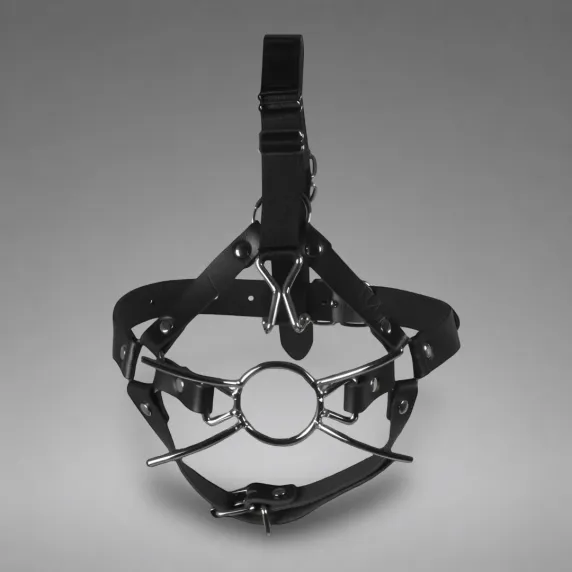
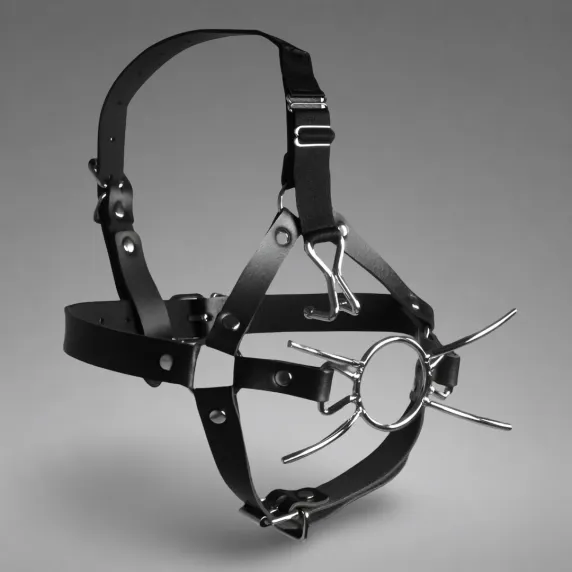
Price:€31.90
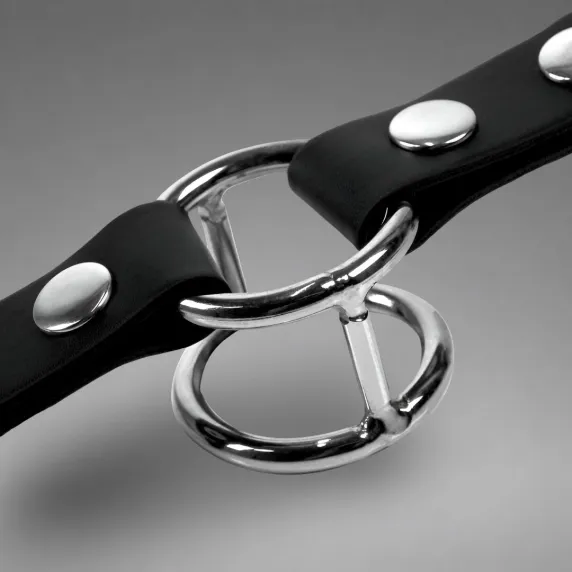
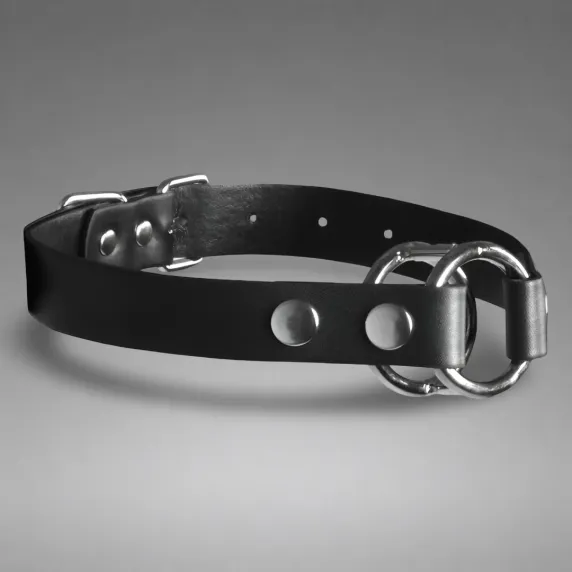
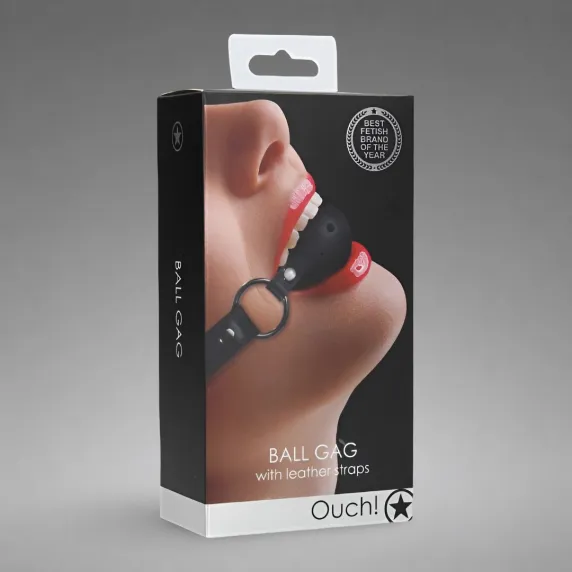
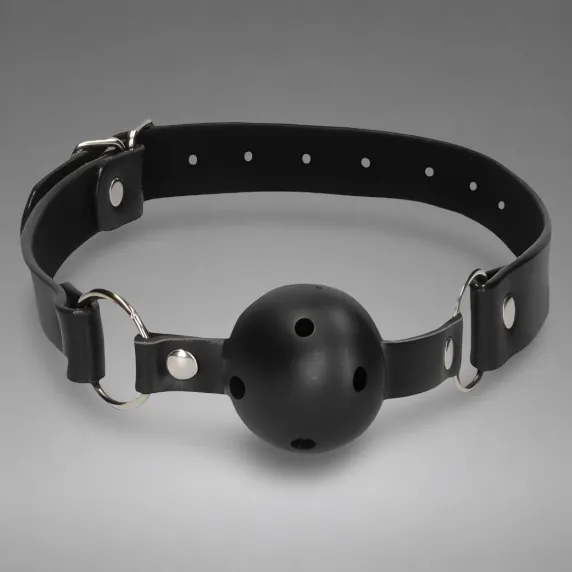
Bondage is more than tying someone up. It decides what is shown, how it is shown and when. Bound wrists limit negotiation; arms behind the back expose the chest; spread legs increase vulnerability. In gay bondage, a sub is not passive — he offers himself to be shaped. The Dom controls muscles, breath and posture; the sub becomes available, held and displayed.
Different tools create different forms of dominance. Leather cuffs allow long positions. Metal forces strict, non-negotiable restraint. Straps provide millimeter control over tension and body angle. Bondage is not about complex knots ; it is about intention, authority and precision.
Immobilization changes the function of the body. A spreader bar prevents leg closure. A back strap forces the chest forward. Thigh restraints open the sub and remove defensive movement. Submission in bondage is visible: in widened hips, forced exposure and the inability to protect the body.
In gay bondage, the exchange is not verbal. The Dom structures the body; the sub responds with breath, tension or controlled compliance. Bound arms reveal attitude, anticipation or readiness. A restrained sub does not endure — he participates by letting himself be directed.
Soft cuffs suit beginners. Adjustable straps allow long and precise positions. Bed and floor systems offer frontal exposure and total immobilization. Rope requires understanding of tension and should never restrict blood flow or joints. The right choice depends on the goal: display, immobilization, punishment or preparation for impact play.
Bondage requires patience and awareness. Nothing should cut skin or restrict circulation. Joints must stay free even when limbs are immobilized. Breathing must remain natural. No unsafe pressure on the neck, no heavy suspension without proper gear, no knots that tighten on their own. Bondage should restrain, not injure. A restrained sub must be watched, directed and presented — not abandoned.
Do you need knot skills to practice bondage?
No. Cuffs, straps and bed systems provide effective restraint without complex techniques.
Is rope suitable for beginners?
Yes, as long as it avoids joints and is never tightened over nerves or the neck.
Can bondage be done standing?
Yes, if balance is stable and shoulder strain is avoided.
How long can a position last?
As long as there is no numbness or restricted blood flow. Positions must be monitored.
Does bondage need to hurt?
No. Forced posture and exposure can dominate without pain.
Should a sub talk while restrained?
Not necessarily. Breath and posture communicate more clearly.

WARNING
This site contains adult-only content. By entering, you confirm that you are of legal age (+18) or have reached the age of majority as defined in your country of residence. You can review our commitments to the protection of minors.
Cookies : to provide an optimal experience for our visitors and customers, we use cookies. You can review our cookie policy and data privacy policy.